Trinity Sign & Print originally started out as a screen printing company. We service the estate agent market & security companies and do a lot of screen printing onto correx boards, ABS boards & chromadek boards. We print For Sale boards, On Show boards and all other marketing boards for these industries. Our prices are very competitive and you will be assured of great quality, service and quick turnaround time.
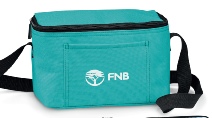
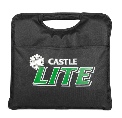
We also do screen printing (silk screening) onto T-
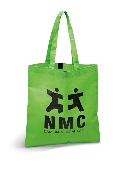

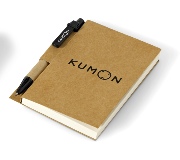
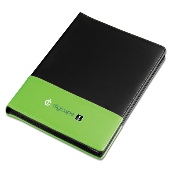



The advantages of Screen Printing
There are many pros to using Screen Printing; however, the main advantage is the unique visual result it creates. The inks used are very durable, the colours are extremely vivid, particularly for outdoor uses, making this a unique reproduction technique. The fact that we can print on a very large variety of materials and objects, and that we can choose from a plethora of special inks , are all factors that have helped to establish Screen Printing as the optimal method for creating products with particular features. This is a very flexible printing technology, with no limitations on the thickness and nature of the material on which the printing will be carried out, and without a doubt, for a specific volume of production, it continues to be the most effective and economical printing methodology around.
What is screen printing:
Screen Printing is a time-
Also known as silkscreen, serigraphy, or serigraph printing, Screen Printing can be performed as a manual or automated process.
How Does the Screen Printing Process Work?
At the core of the screen printing process is a mesh screen material that has been stretched tightly across a rigid frame. Though silk mesh was used at one time, modern mesh is often woven from polyester or stainless steel threads.
The areas of the finished design that will not receive ink coverage are masked out on the screen using a stencil. These masked sections will block ink from passing through the screen. The unmasked sections will allow ink to pass through, thus transferring the intended image onto the substrate to be printed.
Once the screen assembly is placed over the substrate, a squeegee is used to press moderately thick ink through the screen mesh. The squeegee blade, which is usually made of synthetic rubber or polyurethane, must be firm yet flexible in order to evenly disperse the ink.
As the squeegee moves across the screen, the mesh and its corresponding stencil regulate the placement of the ink onto the substrate. The thread count and the diameter of the threads in the mesh are other factors that determine how defined the final image will be.
With screen printing, colours are applied one at a time. If the printed design has multiple colours, the process is repeated using different stenciled screens and ink colours. Thus, each layer of ink colour helps to create the final design. In order to produce the highest quality image, each screen used for the design must be in perfect alignment so that each colour is properly placed.
Screen Printing is Versatile, Durable, and Vibrant
One of the main advantages of screen printing is its versatility. While offset and
digital printing methods are still the best choices for high-
Another major advantage of screen printing is its durability. Compared to other printing
methods, the screen printing process can apply very heavy ink coverage, resulting
in a longer-
A third advantage of screen printing is the vibrancy of the ink colours. The greater
ink thickness achieved with the screen printing method means more colour pigments
are applied to the substrate. The more pigments, the bolder and brighter the colours.
In addition, many screen-

| PVC Signs |
| Chromadek Signs |
| Car Signage |
| Shop Displays & Window Signage |
| Fabricated Lettering |
| Sharkfin Banner |
| Pull Up Banners |
| Gazebos |
| More Outdoor Displays |